Erie’s dramatic temperature swings create a brutal cycle that’ll wreak havoc on your home’s walls and ceilings. As water seeps into tiny cracks, it freezes and expands, pushing materials apart with incredible pressure. When temperatures rise, the ice melts, leaving wider gaps that compromise your structural integrity. These continuous expansion and contraction cycles cause progressive damage, revealing small imperfections into significant structural threats. Stick around to discover your defense strategy.
Understanding Erie’s Unique Climate and Its Impact on Structures
Although Erie’s scenic panorama might seem tranquil, its unique climate can wreak havoc on your home’s structural integrity. You’ll face extreme temperature fluctuations that stress your building materials, causing repeated expansion and contraction.
These cycles create vulnerabilities where moisture infiltration can seep into tiny gaps, potentially damaging walls and ceilings. Your home’s structural elements aren’t immune to Erie’s harsh winters and unpredictable seasonal shifts.
Understanding these environmental challenges helps you proactively protect your living space. By recognizing how temperature changes and moisture interact with your home’s materials, you’ll be better equipped to prevent and address potential structural issues before they become costly repairs.
Professional drywall repair services can help mitigate and address the structural damage caused by Erie’s challenging climate conditions.
The Science Behind Freeze-Thaw Damage in Residential Buildings
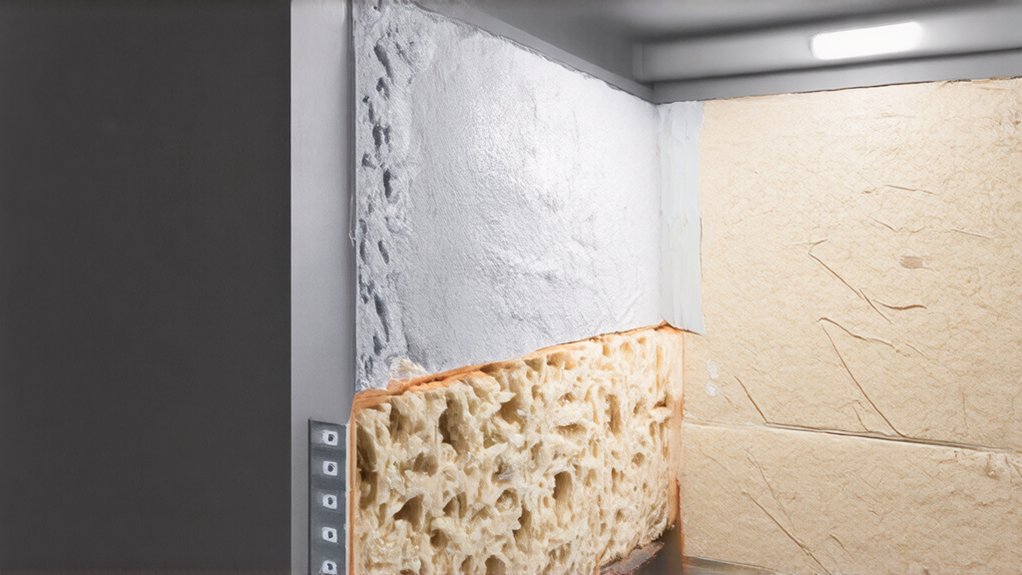
While the term “freeze-thaw damage” might sound technical, it’s a critical process that can silently compromise your home’s structural integrity. As water penetrates tiny cracks and freezes, it expands, creating tremendous pressure that widens existing vulnerabilities. Your building materials—concrete, wood, and masonry—respond differently to temperature fluctuations, with each experiencing unique stress patterns. Proper insulation becomes your first line of defense, helping regulate internal temperatures and minimize the expansion of materials. Drywall installation experts in Erie understand these localized challenges and can provide specialized solutions to mitigate freeze-thaw related structural risks.
Common Signs of Structural Stress in Walls and Ceilings
Whenever homeowners spot unexpected changes in their walls and ceilings, it might signal underlying structural stress that demands immediate attention. You’ll want to watch for telltale signs like ceiling discoloration, which can indicate water damage or persistent moisture issues.
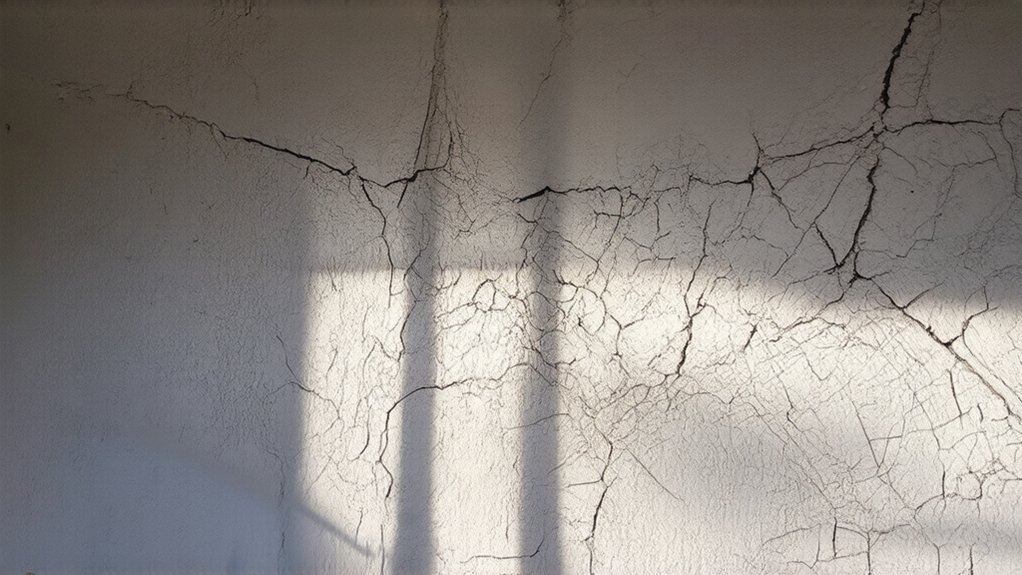
Wall texture changes—such as bulging, wavering surfaces, or unexpected cracks—often reveal deeper structural problems linked to foundation shifts or freeze-thaw cycles. These warning signals aren’t just cosmetic; they’re your home’s way of communicating potential serious damage. By recognizing these early indicators, you can address structural concerns before they escalate, protecting your most significant investment and ensuring your family’s safety.
Preventative Measures to Protect Your Home From Temperature-Induced Damage
Temperature fluctuations can wreak havoc on your home’s structural integrity, turning minor wall and ceiling imperfections into significant damage if left unchecked. Protect your living space by investing in extensive insulation upgrades that buffer your home against Erie’s extreme temperature shifts.
Schedule seasonal inspections with a trusted professional who can identify early warning signs of potential structural stress. Seal windows and doors, monitor humidity levels, and address any developing cracks promptly. These proactive steps won’t just preserve your home’s appearance—they’ll safeguard your most prized possession and provide peace of mind through changing seasons.
When to Call a Professional: Assessing and Repairing Foundation Cracks
Foundation cracks can evolve from minor cosmetic concerns to serious structural threats if homeowners ignore early warning signs. You’ll want to be proactive in protecting your home’s integrity by:
- Checking for leaks around foundation walls and floors
- Monitoring crack progression with precise measurements
- Understanding when professional intervention becomes critical
Professional structural engineers can help you determine whether hairline cracks are benign or indicative of deeper issues. They’ll assess potential water damage, soil movement, and structural stress that could compromise your home’s stability.
Don’t wait until small fissures become major problems—timely professional evaluation can save you thousands in potential repair costs and prevent further damage to your property.
Long-Term Maintenance Strategies for Erie Homeowners
Homeowners in Erie can steer clear of costly wall and ceiling repairs by staying ahead of potential issues. Seasonal weather monitoring is key to safeguarding your home’s structural integrity.
Schedule routine maintenance inspections twice a year, focusing on fall and spring when Erie’s freeze-thaw cycles are most intense. Check for early signs of foundation stress, like hairline cracks or uneven surfaces. Seal potential entry points for moisture, and guarantee proper drainage around your home’s foundation. By proactively addressing small problems, you’ll prevent major structural damage and maintain your home’s value and safety.
Frequently Asked Questions
How Quickly Can Freeze-Thaw Cycles Cause Significant Structural Damage?
You’ll notice significant structural damage within 1-3 winters if rapid temperature fluctuations cause freeze-thaw cycles that repeatedly stress your building materials, potentially leading to progressive cracking and weakening of walls and foundations.
Are Older Homes More Susceptible to Temperature-Related Wall Cracks?
Yes, you’ll find older homes are more vulnerable due to weaker insulation effectiveness and aged building materials. Your home’s resilience depends on proper maintenance, upgraded insulation, and understanding how structural age impacts its ability to withstand temperature fluctuations.
Can Homeowners Insurance Cover Damages From Freeze-Thaw Cycles?
You’ll likely find coverage if your policy includes structural damage from freeze-thaw cycles. Check your deductible and specific coverage options carefully, and don’t hesitate to discuss potential claims with your insurance agent for customized guidance.
Do Different Wall Materials Respond Differently to Temperature Changes?
Yes, you’ll find materials like brick, concrete, and wood have unique thermal expansion rates and moisture absorption levels, making them more or less vulnerable to temperature-induced stress and potential structural damage.
What Are the Most Cost-Effective Methods to Prevent Wall Cracking?
You’ll protect your home by applying caulking to seal small gaps and investing in insulation upgrades. These cost-effective methods reduce temperature-related stress, preventing wall cracks and ensuring your home remains a comfortable, structurally sound sanctuary.
Conclusion
Don’t let Erie’s harsh freeze-thaw cycles catch you off guard. By staying proactive and attentive, you’ll protect your home from costly structural damage. Regular inspections, proper insulation, and timely repairs can save you thousands in potential foundation work. Remember, your home’s resilience starts with your awareness and quick action. Stay informed, stay prepared, and keep your walls and ceilings strong against Erie’s challenging climate.