When remodeling your Erie basement apartment, you’ll want moisture-resistant drywall that can handle the area’s high humidity. Green board, fiberglass-faced, and cement board panels offer superior protection against mold and water damage. You’ll need to install a vapor barrier, use corrosion-resistant fasteners, and seal all seams carefully. Your goal? A durable, dry living space that stands up to Erie’s challenging basement conditions. Stick around to reveal pro installation secrets.
Understanding Erie’s Basement Moisture Challenges
While Erie’s idyllic scenery offers breathtaking vistas, its distinctive climate and geological characteristics can present substantial moisture issues for basement apartments. You’ll need to understand the unique humidity levels and potential water intrusion risks specific to this region. Erie’s proximity to Lake Erie creates high moisture conditions that can seep into basement spaces, causing potential damage to walls, flooring, and structural elements. By recognizing these challenges early, you can implement targeted moisture control strategies. Your proactive approach will help protect your investment, prevent mold growth, and guarantee a comfortable, dry living environment in your basement apartment. Professional drywall contractors in Erie specialize in moisture-resistant solutions that can help mitigate these environmental challenges.
Top Moisture-Resistant Drywall Types for Basement Renovations
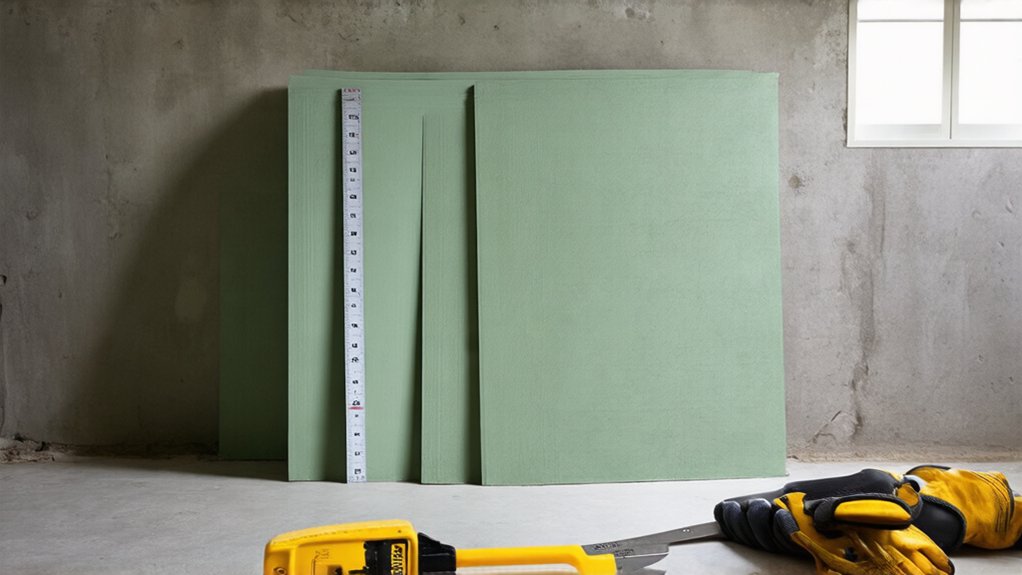
After understanding Erie’s moisture challenges, selecting the right drywall becomes your next strategic move in basement renovation. Green board and moisture-resistant panels offer superior protection against basement humidity. You’ll want to prioritize mold inhibiting materials that can withstand Erie’s damp environment. Residential drywall installation experts in Erie can provide professional guidance on selecting the most suitable moisture-resistant options for your basement apartment.
Fiberglass-faced drywall provides an extra layer of defense, preventing moisture absorption and potential mold growth. Cement board panels also work exceptionally well in high-humidity spaces, offering durability and resistance to water damage. By choosing these specialized drywall types, you’ll create a resilient foundation for your basement apartment, ensuring long-lasting quality and comfort.
Installation Best Practices for Long-Lasting Basement Walls
Since proper installation is essential for basement wall durability, you’ll want to focus on several key techniques that prevent moisture infiltration and structural compromise.
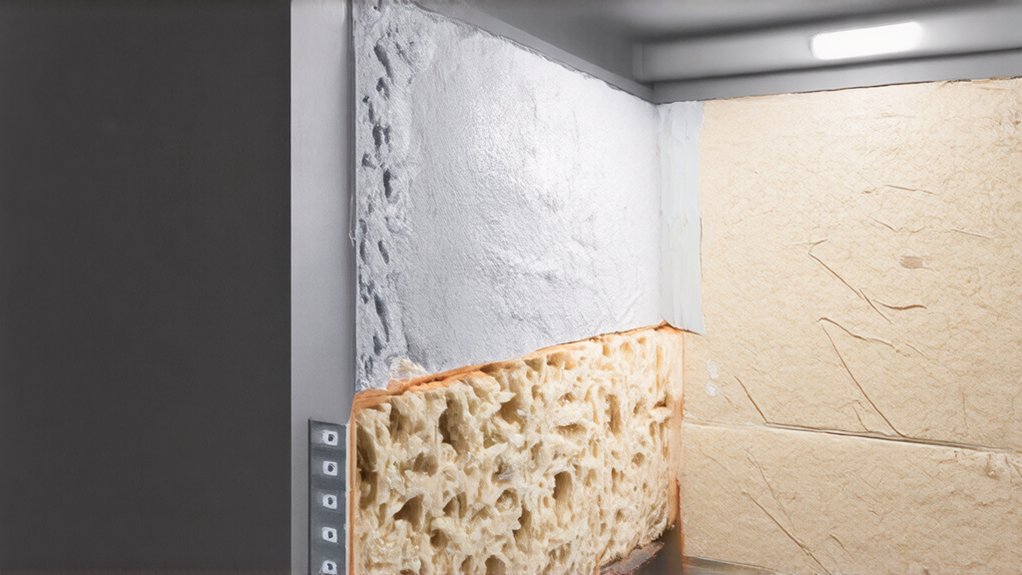
Start by installing a sturdy vapor barrier directly against the concrete walls, ensuring complete coverage and minimal gaps. When securing moisture-resistant drywall, choose corrosion-resistant fasteners designed specifically for basement environments. Pay close attention to sealing all seams and edges with waterproof tape and compound.
Don’t forget to leave a small gap between the drywall and floor to accommodate potential moisture expansion. Your careful approach will create a robust, long-lasting basement wall system.
Comparing Costs and Performance of Moisture-Resistant Drywall
When comparing moisture-resistant drywall options for your Erie basement, you’ll rapidly discover that performance and cost aren’t always directly aligned. Green board and purple board offer different moisture resistant features at varying price points, with purple board typically providing superior protection. You’ll want to ponder your specific basement environment and budget when selecting materials.
Proper drywall application techniques matter as much as the product itself. Sealing seams, using moisture-resistant joint compound, and ensuring proper ventilation can drastically prolong your wall’s lifespan. Don’t skimp on preparation – it’s your best defense against potential water damage.
Preventing Moisture Damage: Essential Maintenance Tips
Protecting your newly installed moisture-resistant drywall requires more than just selecting the right materials. You’ll need a proactive maintenance strategy to keep your basement apartment dry and damage-free.
Consider these critical steps:
- Regularly seal concrete floors to prevent water seepage
- Check for leaks in pipes, windows, and foundation walls
- Use dehumidifiers to control ambient moisture levels
- Inspect and maintain exterior drainage systems
Your diligence can prevent costly water damage and preserve the integrity of your basement space. By staying ahead of potential moisture issues, you’ll guarantee a comfortable, safe living environment that safeguards your investment and keeps your apartment looking great.
Frequently Asked Questions
Can I Paint Moisture-Resistant Drywall Like Standard Drywall?
Yes, you can! Just guarantee proper drying techniques and drywall joint finishing. Use a moisture-resistant primer first, then apply your chosen paint. Take your time, and you’ll create a beautiful, protected basement space that feels like home.
How Long Does Moisture-Resistant Drywall Typically Last in Basements?
You’ll find moisture-resistant drywall can last 10-15 years with proper vapor barrier and ventilation. Regular maintenance and addressing humidity issues will help extend its lifespan, ensuring your basement stays dry and your investment protects your home.
Will Moisture-Resistant Drywall Completely Prevent Mold Growth?
No, moisture-resistant drywall won’t completely prevent mold. You’ll need thorough mold prevention strategies like controlling basement humidity, ensuring proper ventilation, and addressing potential water intrusion to truly safeguard your space against mold growth.
Do I Need Special Tools to Install Moisture-Resistant Drywall?
You’ll need standard drywall tools like a utility knife, tape measure, and drill. However, proper installation techniques and moisture barrier considerations are essential. Don’t skip using a moisture-resistant adhesive and ensuring precise cutting for a professional finish.
Can Moisture-Resistant Drywall Improve My Basement’s Overall Insulation?
Yes, moisture-resistant drywall can elevate your basement’s insulation! It’ll augment thermal mass and acts like a vapor barrier, helping you create a more comfortable, energy-efficient space that feels cozy and protected from dampness.
Conclusion
You’ve got this! Altering your Erie basement into a dry, comfortable space is totally achievable with the right moisture-resistant drywall. Remember, it’s all about smart material selection, proper installation, and ongoing maintenance. Don’t let moisture win—choose quality materials, follow best practices, and stay proactive. With these strategies, you’ll create a basement that’s not just functional, but also resilient against Erie’s challenging humidity.